Paris Peace Accords 23 Oct. 1991

Showing posts sorted by date for query Punctuation is the key to development. Sort by relevance Show all posts

Monday, March 19, 2018

ការអាន សៀវភៅ គួរតែ ជាអាទិភាព របស់អ្នក | Why reading books should be your priority

https://www.inc.com/christina-desmarais/why-reading-books-should-be-your-priority-according-to-science.html?utm_source=pocket&utm_medium=email&utm_campaign=pockethits
ដោយសារតែ ប្រជាជនកម្ពុជា ខ្វះសៀវភៅ ឬប្រាក់ ដើម្បី ទិញវា, យើង អាចទាញយក សៀវភៅ ដ៏ល្បីល្បាញ ជាទីស្រឡាញ់ និងត្រូវ បានគេ ស្គាល់ ទូទាំង ពិភពលោក ពីអ៊ីនធឺណិត ដោយឥតគិតថ្លៃ។

Because Cambodians lack books or money to buy them, we can download many great books universally known and loved from the Internet for free.

ទូរស័ព្ទ (smartphone + WiFi) របស់អ្នក អាចជាមិត្ត ឬសត្រូវ របស់អ្នក; ថ្នាំព្យាបាល ឬថ្នាំពុល; បណ្ណាល័យ (សម្ភារៈអប់រំ តាម YouTube ឬសៀវភៅ) ឬម៉ាស៊ីន (លេងហ្គេម វីដេអូ, មើល រូបអាសគ្រាម ឬស្តាប់ ខារ៉ាអូខេ) របស់អ្នក។ 

វា ​ជា​ជម្រើស​ របស់​អ្នក។

អ្នក មិនអាច ធុញទ្រាន់ បានទេ នៅពេល ដែលការអាន ក្លាយជាទម្លាប់ និងសៀវភៅ ជាមិត្ត របស់អ្នក។

«ភ្នែក ​ប្រៀប​បាន​ នឹង​ចង្កៀង ​របស់ ​រូប​កាយ។ បើ ​ភ្នែក​អ្នក​ នៅ​ភ្លឺ​ល្អ, រូប​កាយ​អ្នក​ ទាំង​មូល​ ក៏​ភ្លឺ​ ដែរ។ តែ​ បើ ​ភ្នែក​អ្នក ​ងងឹត​វិញ, រូប​កាយ​អ្នក​ ទាំង​មូល​ ក៏​ងងឹត​ ដែរ។ ប្រសិន​បើ​ ពន្លឺ​ នៅ​ក្នុង​អ្នក​ ត្រឡប់​ទៅ​ ជា​ងងឹត ​ប៉ុណ្ណឹង ​ទៅ​ហើយ, នោះ​ មិន​ដឹង​ ជា​សេចក្ដី​ ងងឹត នឹង​ទៅ​ ជា​សូន្យសុង ដល់​កំរិត​ណា​ ទៀត​ទេ។» - យេស៊ូ​គ្រី​ស្ត

Your smartphone can either be your friend or your enemy; your vitamins or your poison; your library (via the educational YouTube videos and free classic books) or your wasting machine (to play video games, pollute your mind with pornography or idle time away with karaoke songs).

It’s your choice.

Once you’ve developed a habit of reading and books become your friends, you can never get bored.

"The eye is the lamp of the body. If your eyes are healthy, your whole body will be full of light. But if your eyes are unhealthy, your whole body will be full of darkness. If then the light within you is darkness, how great is that darkness!" - Jesus Christ

មាន មោទនភាព ជាខ្មែរ? អាន។
Proud to be Khmer? READ.
សៀវភៅ និងរឿង ល្បីៗ ដែលអ្នក គួរ អាន និងដឹង។
CLASSIC BOOKS and stories you should read and know.
ជាភាសាខ្មែរ ឬអង់គ្លេស។
In Khmer or English.

១. យុវជន​ ដាវីឌ ​ប្រយុទ្ធ​ នឹង​កូលីយ៉ាត
ជំពូក ទី១៧, https://app.box.com/s/645x5u50y2gs28x4mgp6
1. DAVID AND GOLIATH
https://www.biblegateway.com/passage/?search=1+Samuel+17&version=NIV

TED talk by Malcolm Gladwell: The Unheard Story of David and Goliath
https://www.ted.com/talks/malcolm_gladwell_the_unheard_story_of_david_and_goliath

២. ព្រះ‌បន្ទូល ​បង្រៀន នៅលើ​​ភ្នំ (ជាទីស្រឡាញ់ របស់លោក គន្ធី)
ជំពូក ទី៥-៧, https://app.box.com/s/nl0upuu9aj331fvm2gab
2. The SERMON ON THE MOUNT, Matthew 5-7, so beloved by Mahatma Gandhi
https://www.biblegateway.com/passage/?search=Matthew+5+-+7+&version=NIV 

៣. ព្រះនាង​ អេសធើរ
https://app.box.com/s/c97c9682d2f4df06ed6c
3. The book of ESTHER
https://www.biblegateway.com/quicksearch/?quicksearch=Esther&qs_version=NIV 

៤. សៀវភៅ សុភាសិត
https://app.box.com/s/12a9cdabc6392d07ac87
4. The book of PROVERBS
https://www.biblegateway.com/quicksearch/?quicksearch=Proverbs&qs_version=NIV

បងប្អូន, ក្មួយៗ, ជនរួមជាតិ — សូម ស្តាប់! ការដាក់ វណ្ណយុត្តិ—ជាពិសេស ការប្រើ សញ្ញាក្បៀស—ជាគន្លឹះ ក្នុងការអភិវឌ្ឍ។ 
Cambodians, listen up! Punctuation—especially the use of commas—is THE KEY to development.

«ប្រសិនបើ មនុស្ស មិនអាច សរសេរ បានល្អ, ពួកគេ មិនអាចគិត បានល្អ, ហើយ ប្រសិនបើ ពួកគេ មិនអាចគិត បានល្អ, អ្នកដទៃ នឹងធ្វើការគិត សម្រាប់ ពួកគេ។»

"If people cannot write well, they cannot think well, and if they cannot think well, other people will do their thinking for them." - George Orwell

ហើយ ខ្ញុំ គួរតែ បន្ថែមថា, ដើម្បី សរសេរ បានល្អ, អ្នក គួរតែ អានច្រើន។

And I should add that to write well, one must read a lot.

សេង ធារី / Theary C. Seng

Friday, March 16, 2018

"If people cannot write well, they cannot think well, and if they cannot think well, others will do their thinking for them."


បងប្អូន, ក្មួយៗ, ជនរួមជាតិ — សូម ស្តាប់!  ការដាក់ វណ្ណយុត្តិ—ជាពិសេស ការប្រើ សញ្ញាក្បៀស—ជាគន្លឹះ ក្នុងការអភិវឌ្ឍ។

Cambodians, listen up! Punctuation—especially the use of commas—is THE KEY to development.
«ប្រសិនបើ មនុស្ស មិនអាច សរសេរ បានល្អ, ពួកគេ មិនអាចគិត បានល្អ, ហើយ ប្រសិនបើ ពួកគេ មិនអាចគិត បានល្អ, អ្នកដទៃ នឹងធ្វើការគិត សម្រាប់ ពួកគេ។»


Monday, June 19, 2017

[Punctuation is THE KEY to Development] Hysteria over hyphens

...
It has a critical grammatical function, not just a stylistic one. It tells the readers that several words are to be taken together as a single modifier. You can write “we have zero tolerance for bad punctuation,” but when “zero tolerance” is used to modify a noun, it acts a bit like an adjective. It does not become an adjective, as many people think. But taken together, as a modifier, “zero-tolerance” functions like a single word; hence the hyphen.
Reading means parsing grammar on the fly, a tricky task requiring concentration. Everything that helps with that does a favour to the reader. Strings of words with no punctuation can often be parsed in several ways. The hyphen eliminates one possibility. This not only speeds up comprehension, but in some (rare) cases, is crucial for avoiding ambiguity. The difference between a “third-world war” and a “third world war” is nothing to sniff at, and those selling a car might get rather more interest in the sale if they remember the hyphen in “a little-used car”.


Hysteria over hyphens
Hyphens can be tricky, but they need not drive you crazy

The Economist | 8 June 2017

“IF YOU take hyphens seriously, you will surely go mad,” warns the style manual of the Oxford University Press. This maxim is quoted in The Economist’s own style book, which goes on about the punctuation mark for eight pages.

People can get very excited over things like the presence or lack of a hyphen in “e-mail”. Most of the world is trending towards “email”; hyphens disappear over time, in favour of the closed-up form. (“Today” overtook “to-day” in frequency around 1926 in America, according to data from Google Books, and a bit later than that in Britain.) The Economist, being stylistically conservative, still prefers “e-mail”, but that may well change one day even if absolutely nobody is confused by either form.

English is a Germanic language that allows for many different kinds of compounds, including those made from two adjectives (“blue-green”), two nouns (“kitchen sink”), adjective-noun (“darkroom”), noun-adjective (“slate-blue”) and so on. But which ones should be written separately, which hyphenated and which closed up? As so often in language, those looking for perfectly clear strictures will be disappointed.

The rules are mostly unofficial ones. The shorter and more native (ie, Germanic) the roots are, the more likely they are to be closed up: you might call someone who is behaving like a fish “fishlike”. But long words behave differently: should someone behave like a cuttlefish, you are more likely to call them “cuttlefish-like”. That goes doubly for long words that came to English from French, Latin or Greek: almost no one closes up “rhinoceros-like” or “hippopotamus-like”.

Saturday, August 6, 2016

Cambodia authors forge Khmer language literary revival

Cambodia authors forge Khmer language literary revival


Financial Times | 5 August 2016

The launch of the Mekong Review
The Mekong Review launched in Phnom Penh, in 2015. But many Cambodian writers still struggle to write in Khmer
For a brief moment in November 2015, the sleepy town of Kampot in southwestern Cambodia became a national literary hub.
The inaugural edition of the Writers and Readers Festival hosted discussions about Cambodian literature and culture. There were tales of Buddhist death rituals, of life deep inside the rainforest, of a cross-country pilgrimage undertaken by a clown. But, for the most part, the discussions were about Cambodia, rather than by Cambodians: slightly fewer than half of the country-specific talks featured local speakers....
“[Literary culture in] Cambodia is a long way behind not just the rest of Asia but the rest of the Mekong region [which comprises China, Myanmar, Laos, Thailand, Cambodia and Vietnam].”...
Memoirs of the Khmer Rouge years have found audiences in the west, but these have mostly been written abroad, often with foreign co-authors and in languages other than Khmer. For writers living and working in Cambodia, publishing opportunities are scarce....
The creation of a contemporary literary genre is particularly tricky in Cambodia because of the language’s written structure, argues Teri Yamada, who founded theNou Hach Literary Association in 2002. “Cambodian writing has a lot of Pali and Sanskrit aesthetic influence,” she says. Traditionally there are no paragraphs, no sentence breaks and no quoted dialogue. “[Traditional writing] has lots of adjectives, it’s extremely descriptive, it tends to not have so much of a plot oftentimes,” says Yamada. And, critically for writers dreaming of international acclaim, “It is extremely challenging to translate that writing into English.”

Related:


Friday, June 24, 2016

Who Really Cares About the Oxford Comma? [Punctuation is the KEY to development]


The Atlantic | 20 June 2016

I do. I care.

I care for the sake of the clarity, flow, and musicality of prose. I care because words matter, punctuation matters, and there is no other logical position besides being pro-Oxford comma. I care because I like jokes about my parents, God, and Stalin. (Actually, in that case, the joke only works if you take out the Oxford comma, which I refuse to do on principle.)


Unless you’re writing for a particular publication or drafting an essay for school, whether or not you use the Oxford comma is generally up to you. However, omitting it can sometimes cause some strange misunderstandings.

I love my parents, Lady Gaga and Humpty Dumpty.
Without the Oxford comma, the sentence above could be interpreted as stating that you love your parents, and your parents are Lady Gaga and Humpty Dumpty. Here’s the same sentence with the Oxford comma:

I love my parents, Lady Gaga, and Humpty Dumpty.


Friday, April 1, 2016

When we don't punctuate...

When we don't punctuate
[punctuation automatically allows for greater word spacing] ...


lauksrey chamroeunsays CNRP isnotapropertyofanyoneperson

Mr. Srey Chamroeun says, CNRP is not a property of any one person

or

Ms. Chamroeun says, CNRP is not a property of any one person


(Alternatively, Lady Chamroeun... or Mrs. Chamroeun...)

lauksrey = Ms. or Mrs. or Lady
But, here "Srey" is the family name of Chamroeun.


The Economist | March 2016

A Language in Crisis

Punctuation is the Key to Development

Friday, February 19, 2016

Punctuation (consequently, more WORD SPACING) is the KEY to Development -- ex. from VOD


PUNCTUATION IS THE KEY TO DEVELOPMENT (sufficient use of punctuation, e.g. comma, automatically allows for liberal word spacing -- the principles at work are the same as those in more advanced languages, e.g. English, French)

In this article, the first paragraph has 2 sentences. Each sentence has ZERO punctuation (save Khmer full stop at end) and ZERO word spacing. The first sentence has 37 words.

The 2nd paragraph, almost as long as the first paragraph, is one long sentence of 3 lines, also with ZERO punctuation (save the Khmer full stop at end) and ZERO word spacing.

VOD, a well-respected local Cambodian media outlet, is not unlike other well-respected Cambodian media outlets, e.g. VOA, RFA. But a bit more notorious in its ABSOLUTE lack of use of word spacing and punctuation, save the full stop at the end of the sentence.

I've been punctuating a lot of Khmer writing -- 59 books and countless other shorter pieces -- over the years to allow me to have a sense of how it can be done.

We can start simply at first: 

(1) USE COMMAS -- for those who know French or English, the principle is basically the same;

(2) use word spacing between SUBJECT [space] VERB [space] OBJECT and in other cases, again, the principles used in English and French often work here as well.


Seen and heard on Ms. Theary C. Seng's Facebook accounts: 
www.facebook.com/theary.c.seng


Saturday, October 24, 2015

Marks of Distinction [Punctuation is the KEY to development!]


G.B. Shaw ignored apostrophes, quipping that he had ‘never been prosecuted’ for his crime.

Wall Street Journal | 15 October 2015


Picture the scene: An Anglo-Saxon monk is hunched over his desk, copying a manuscript character by painstaking character. It’s a tedious, unrelenting task to decipher the unspaced, uncapitalized, underpunctuated text, made worse by the fact that the Latin before him is little better than an archaic, half-remembered second language. He mumbles aloud to extract the syllables and words, as readers have done for the past thousand years, and copies out as much as he can remember before moving on to the next phrase. The occasional gaps in his new manuscript—nascent word spaces—measure the precise capacity of his short-term memory.

This is where the first section of “Making a Point,” David Crystal’s engaging history of punctuation, picks up, sprinting from eighth-century Britain to the modern world in less than 100 pages. There is more to the birth of punctuation, certainly, than monks and manuscripts—the Greeks had first marked pauses with tiny, inky dots more than a thousand years earlier—but Mr. Crystal treats his chosen period with enthusiasm and insight.

MAKING A POINT
By David Crystal 

St. Martin’s, 378 pages, $24.99


Making a Point: The Pernickety Story of English Punctuation review – hissy fits about apostrophes [Punctuation is the KEY to development]


Is a full stop really worth four commas? And should everybody avoid the semi-colon? This book from the popular linguist David Crystal will amuse and instruct
Punctuation marks in Courier font
Crystal ident­ifies 11 distinct non-specialist functions for the exclam­ation mark.

The Guardian | 17 September 2015

A couple of weeks ago I saw David Crystal give an after-dinner speech at the august annual conference of the Society of Indexers and the Society for Editors and Proofreaders. In it, he recalled having been an adviser on Lynne Truss’s radio programme about punctuation. She told him she was thinking of writing a book on the subject. He advised her not to: “Nobody buys books on punctuation.” “Three million books later,” he said, “I hate her.”

Making a Point is this prolific popular linguist’s entry into the same, or a similar, market. Truss’s book, Eats, Shoots & Leaves, was energised by her furious certainties about the incorrect use of all these little marks. Crystal’s is a soberer and, actually, more useful affair: he puts Truss’s apostrophe-rage in its sociolinguistic context, considers the evolution of modern usages, and gently encourages the reader to think in a nuanced way about how marks work rather than imagining that some Platonic style guide, if only it could be accessed, would sort all punctuation decisions into boxes marked “literate” and “illiterate”. (Or literate and illiterate, if you prefer.)

As Crystal writes, scribes started to punctuate in order to make manuscripts easier to read aloud: they were signalling pauses and intonational effects. Grammarians and, later, printers adopted the marks, and tried to systematise them, as aids to semantic understanding on the page. The marks continue to serve both purposes. “This,” Crystal writes, “is where we see the origins of virtually all the arguments over punctuation that have continued down the centuries and which are still with us today.”

His central argument, buttressed by countless well-chosen examples and enlivened by the odd whimsical digression, is that neither a phonetic, nor a semantic, nor a grammatical account of our punctuation system is singly sufficient. Those hoping to make punctuation logically consistent are chasing a will o’ the wisp – and ignoring the aesthetics and the pragmatics of practice. But nor is it a complete free-for-all. There are discoverable rules, or at least workable generalisations, about how punctuation functions. However, they are discoverable by the study of usage rather than from old school textbooks.

Friday, September 25, 2015

Happy (US) National Punctuation Day, September 24

Celebrate National Punctuation Day by Testing Your Knowledge

TIME | 24 September 2015


Commentary by Ms. Theary C. Seng


Excerpts:

Several attributes contribute to the language deficit in Cambodia and other developing countries. 

Third, the policymakers in education tend to function in a developed language (English, French, Spanish, Arabic, German, etc), usually English, and thus their entry point into education policymaking is too advanced.  

One of the development sectors normally associated with language is formal education.  Currently, when education policies in developing countries like Cambodia are developed and implemented they tend to focus on physical infrastructure of schools, books, transportation or access for girls and teachers’ salaries.  What is completely taken for granted and amiss is the focus on functionality, comprehension, and ease of reading of the local language.

Understandably so.  The local elites who are policymakers tend to be knowledgeable of either English or French, and unconsciously, fluidly use the second more developed language for higher education and refined thinking.  In many of these societies, Cambodia being the prime example, it is rare to have an educated Cambodian (or Laotian, etc) who only knows her respective language.  Higher education is always reliant on a second, more developed language.

Similarly, the donor representatives of USAID, the European Commission, UNICEF, UNESCO, et al, tend to have multiple advance degrees and be fluent in at least English, French or both.  Their entry point to the issue of basic education is within their developed language context of 600 years of punctuation and text development, long enough for all of them to believe that punctuation has always existed.

Fourth, the grammar of these local languages has never been scrutinized to the same degree of developed languages.  Or, in the rare occasion when punctuation is lightly raised in the context of the local language, it is quickly and confidently dismissed as contrary to culture or incongruous to that local language.  This confident wrong answer quickly ends any further inquiry as no one wants to be insensitive to another’s culture or identity.


Tuesday, June 23, 2015

READ. It will make you SMART (possibly smart and mad). Why risk being stu--, uh, not-so-smart?


READ. It will make you SMART. Or, smart and MAD (think, Nietzsche), or just plain MAD (Aunt to Theary). But better this risk than be st--, uh, not-so-smart.


FUZZY READING leads to FUZZY THINKING (Left image). The current state of Khmer written language.

Punctuation marks are tools for CLARITY which allows your mind to read with 20/20 vision. (Right image). Clarity of reading leads to clarity of thoughts leads to building of IDEAS. Current lacking in Cambodia.

I am as blind as a bat without wearing glasses or contact lenses. I started to wear glasses in 2nd or 3rd grade (many moons ago).


I've written about the need to update and modernize the Khmer written language for many years now, but it was only this past February 2015 when I first gave a presentation on this KEY TO DEVELOPMENT at an international conference. Thank goodness, it was well received; "winsome" according to Yale philosopher Nicholas Wolterstorff.


Still waiting for the video to come out, as it was recorded as I am told.


Seen and heard on Ms. Theary C. Seng's Facebook accounts: 
www.facebook.com/theary.c.seng


Monday, December 22, 2014

PUNCTUATION is the KEY to Development -- Example of UNCLARITY in written Khmer


Original: 

«លោកគ្រូយើងខ្ញុំបានអូសអួនពេញមួយយប់ហើយអត់បានត្រីសោះ»។

Punctuated:

«លោកគ្រូ, យើងខ្ញុំ បានអូសអួន ពេញមួយយប់, ហើយ អត់បាន ត្រីសោះ។»
ឬ

«លោកគ្រូ, យើងខ្ញុំ បានអូសអួន ពេញមួយយប់ហើយ, អត់បាន ត្រីសោះ។»


Tuesday, November 4, 2014

PUNCTUATION KEY TO DEVELOPMENT: Now, compare the two versions of this RFA article...

Note:  Please do not misunderstand: this is not to pick on RFA or VOA; the intention is to raise the VERY SERIOUS issue of the need to develop and update the Khmer written language, by highlighting the fact, that if the two best Khmer news outlets are producing unclear, at times, incomprehensible writing, how much more lesser known media!  If we are at all concern about QUALITY education, then we need, we must update the written Khmer language with punctuation, like other modern developed languages.  - Theary C. Seng


1.  Original article at RFA


2.  Same RFA article, but now edited with punctuation, which allows for more word spacing, among others

ក្រសួង​អប់រំ បង្ហាញ​ជម្រើស ​សិក្សា ចំពោះ​ សិស្ស​ថ្នាក់ ​ទី​១២ និង​បេក្ខជន​ ស្វ័យរិន ក្រោយ​ប្រឡង​ធ្លាក់ សញ្ញាប័ត្រ​ម ធ្យមសិក្សា​ ទុតិយភូមិ (ឬ បាក់ឌុប)។

សិស្ស ​ប្រឡង​ធ្លាក់​ សញ្ញាប័ត្រ​ម ធ្យមសិក្សា​ ទុតិយភូមិ (ឬហៅ ថា,​ បាក់​ឌុប) អាច​មាន​ជម្រើស ជាច្រើន​ទៀត ដើម្បី​ បន្ត​ការសិក្សា។  មន្ត្រី​ ក្រសួង ​អប់រំ, យុវជន, និង​កីឡា ឲ្យ​ដឹង​ ថា, ឆ្នាំនេះ ការ​ប្រឡង​ បាក់​ឌុប​ មាន​ពីរ​លើក, ហើយ ​អ្នកចេះ ​គឺ ​ជាប់ និង​ការ​ទៅ​ប្រឡង គឺ​ ទៅ​បញ្ចេញ​ សមត្ថភាព ចំណេះ ដឹង, ​មិនមែន​ ទៅ​ចម្លង ដើម្បី​ បាន​ទទួល​ សញ្ញាប័ត្រ​ នោះ​ទេ។

អ្នកនាំពាក្យ ​ក្រសួង​ អប់រំ, យុវជន, ​និង​កីឡា លោក រស់ សាលីន មានប្រសាសន៍ នៅ​ថ្ងៃអាទិត្យ ទី​២ ខែ​វិច្ឆិកា ឆ្នាំ​២០១៤ ថា​, ការ​ប្រឡង​ធ្លាក់ មិន​មាន​ន័យ ​ថា សិស្ស​ និង​បេក្ខជន​ ស្វ័យរិន​ ទាំងនោះ ដើរ​ដល់​ ចំណុច​ ទាល់ច្រក​ទេ។  លោក​ ថា, ​ជម្រើស ​៣​ប្រភេទ ដែល​សិស្ស និង​បេក្ខជន ​ស្វ័យរិន អាច​បន្ត ​រៀន​បាន, ​គឺ៖ ទី​១, អាច​រៀន ​ត្រួតថ្នាក់​ ទី​១២ ​ឡើងវិញ; ទី​២, ​អាច​រៀន ​ជំនាញ​បច្ចេកវិជ្ជា​ ផ្សេងៗ; និង​ទី​៣, អាច​រៀន​ បរិញ្ញាបត្រ ​រង ​១​ឆ្នាំ បូក ​នឹង​មួយ​ឆមាស, ហើយ​ បន្ត​រៀន​ ៤​ឆ្នាំ យក​បរិញ្ញាបត្រ។  លោ​ក ថា, ​ការ​រៀន ពី​បរិញ្ញាបត្រ ​រង ទៅ​ជា​បរិញ្ញាបត្រ​នេះ គឺ ជា​សញ្ញាប័ត្រ​ ចុងក្រោយ ដែល​ក្រសួង​ អប់រំ បាន​ទទួល​ស្គាល់ ថា​ មានតម្លៃ ​ជាង​សញ្ញាប័ត្រ​ មធ្យមសិក្សា​ ទុតិយភូមិ ដែល​ពួកគេ​ មិនបាន​ប្រឡង​ ជាប់​នោះ៖ «ក្នុង​ការ​ប្រឡង​ ទាំង​ពីរ ​​លើក​នេះ, យើង ​សរុប​បេក្ខជន​ ជាប់​ទៅ​ ទាំង​ពីរ​លើក​ គឺ​ មាន ៣​៣,៩៩៧​ នាក់ ជា​ចំនួន​ សរុប​ ត្រូវ ជា​៤០.៦៧% នៃ​បេក្ខជន​ ដែល​បាន​ប្រឡង​ ទាំង​២​លើក។  ហើយ​ ដោយ​ឡែក, ចំពោះ អ្នក​ធ្លាក់​ មាន​ដល់​ទៅ​ ជាង​៥០%។  ហើយ​ ចំនួន​នេះ, ​គាត់​ អាច​មាន​ជម្រើស​ ៣​យ៉ាង។  ចំពោះ​ ជម្រើស ​ទី​៣,​ គាត់​ អាច​រៀន ​កម្រិត​បរិញ្ញាបត្រ​ រង នៅ​ពេល​ ដែល​គាត់​ សញ្ញាប័ត្រ មធ្យមសិក្សា​ ទុតិយភូមិ, ហើយ​ គាត់ ​ធ្លាក់, ហើយ​ គាត់​ ត្រូវ​ មាន​លិខិត បញ្ជាក់​មួយ។  អីចឹង​ គាត់​ អាច​រៀន បរិញ្ញាបត្រ ​រង​ នៅ​តាម​គ្រឹះស្ថាន ឧត្ដម​សិក្សា​នានា។  ដោយ​នៅ​ក្នុង​នោះ គឺ ថា​ នៅ​ឆ្នាំ​២០០០​, ក្រសួង​ មានសេចក្ដី​ សម្រេច​មួយ ពាក់ព័ន្ធ​ នឹង​ការ​បើក​ ឲ្យ​បង្រៀន កម្រិត​បរិញ្ញាបត្រ​ រង​នេះ,​ គឺ​ មាន​កម្រិត ២​ឆ្នាំ។  ហើយ​ ៥០%​ជាង ​ធ្លាក់​នេះ, គាត់ ​អាច ដោយ​ក្នុង​នោះ​ នៅ​ពេល​ ដែល​គាត់​ ចប់បរិញ្ញាបត្រ ​រង, គាត់​ អាច​រៀន​បន្ថែម​ មួយ​ឆមាស ដើម្បី​ ឈោងបន្ត​ ទៅដល់​ បរិញ្ញាបត្រ។  ឬមួយ ​គាត់​ អាច​រៀន នៅ​ក្នុង​ករណី​ ដែល​គាត់ ​ដូរ ពីមុខ​ជំនាញ​ បរិញ្ញាបត្រ ​រង ទៅមុខ​ជំនាញ ​ថ្មី​ មួយទៀត នៅ​ពេល​ ដែល​គាត់ បន្ត​បរិញ្ញាបត្រ។  ដូច្នេះ​ គាត់ ​ត្រូវតែ​ រៀន​ថែម នៅ​ឆ្នាំ​ទី​២ នៃ​មុខវិជ្ជា​ ថ្មី​ មួយឆមាស​ទៀត។  អ៊ីចឹង​ សរុប រួម​ទៅ​, គាត់​ អាច​ចំណាយ​ពេល បន្ថែម​ លើស​១​ឆ្នាំ​ ប្រៀបធៀប​ ទៅ​អ្នក​ ដែល​ជាប់ សញ្ញាប័ត្រ​ម ធ្យមសិក្សា​ ទុតិយភូមិ។  ដូច្នេះ​ ជា​ជម្រើស​មួយ ដែល​បេក្ខជន​ ដែល​ធ្លាក់ នៅ​ក្នុង​ការ​ប្រឡង​ សញ្ញាប័ត្រ​នេះ គឺ ​មិនមែន​ មានន័យ ថា, គាត់​ ដើរ​ ដល់​ផ្លូវ​ ទាល់​ទេ។»


http://truth2power-media.blogspot.com/2014/09/punctuation-is-key-to-development-now.html


Friday, September 26, 2014

PUNCTUATION IS THE KEY TO DEVELOPMENT - Now, compare these two articles

Compare the original Khmer article with the punctuated Khmer version for CLARITY and COMPREHENSION and EASE OF READING.

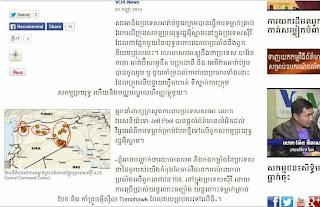
1.  The original in VOA
http://khmer.voanews.com/content/us-launches-airstrikes-against-islamic-state-in-syria/2460140.html

2.  Edited, punctuated (allowing for liberal word spacing) version:

អាមេរិក​ ទម្លាក់​គ្រាប់បែក​ លើ​ក្រុម​ សកម្ម​ប្រយុទ្ធ ​រដ្ឋ​អ៊ីស្លាម ​នៅ​ស៊ីរី | US airstrikes at ISIS in Syria

ការ​ទម្លាក់​គ្រាប់បែក​របស់​កង​កម្លាំង​ចម្រុះ​ទៅ​​លើ​គេហដ្ឋាន​របស់​ Abu Kamal នៃ​ក្រុម ISIL ​​នៅ​ Raqqah ប្រទេស​ស៊ីរី​កាល​ពី​ថ្ងៃ​ទី​២៣ ខែ​កញ្ញា ឆ្នាំ​២០១៤។ (U.S. Central Command Center)
ការទម្លាក់ ​គ្រាប់បែក ​របស់ ​កង​កម្លាំង​ ចម្រុះ​ ទៅ​​លើ ​គេហដ្ឋាន ​របស់​ Abu Kamal នៃ​ក្រុម ISIL ​​នៅ​ Raqqah ប្រទេស ​ស៊ីរី​ កាល​ពី​ថ្ងៃ ​ទី​២៣ ខែ​កញ្ញា ឆ្នាំ​២០១៤។ (U.S. Central Command Center)
 
សហរដ្ឋ អាមេរិក (ស.រ.អ.) ​និង​ប្រទេស ​អារ៉ាប់ ​មួយ​ក្រុម​ បាន​ធ្វើ​ការ​ ទម្លាក់ ​គ្រាប់​បែក លើក្រុម​សកម្ម​ ប្រយុទ្ធ ​រដ្ឋ​អ៊ីស្លាម ​នៅ​ក្នុង​ប្រទេស​ ស៊ីរី ដែល​ជា​ផ្នែក​មួយ​ នៃ​យុទ្ធនាការ​ យោធា​ ប្រឆាំង ​នឹង​ពួក​និយម ជ្រុល​នេះ។  យោធា​ ស.រ.អ. ឲ្យ​ដឹង​ថា, ​ប្រទេស​ បារ៉ែន, កាតា,  អារ៉ាប៊ី សាអូឌីត, ហ្សកដានី, និងអេមីរ៉ាត​ អារ៉ាប់ ​រួម​ បាន​ចូល​រួម ឬជួយ​គាំ​ទ្រ ដល់​ការ វាយ​ប្រហារ​ ទាំង​នោះ ​ដែល​ត្រូវ​ លើបន្ទាយ ​ហ្វឹក​ហាត់ ទី​ស្នាក់ការ​ ក្រុម​សកម្ម ប្រយុទ្ធ,​ ហើយ​ និង​មជ្ឈមណ្ឌល​ ហិរញ្ញវត្ថុ​មួយ។

ផែនទី​តំបន់​រង​ការ​ទម្លាក់​គ្រាប់បែក​នៅ​ក្នុង​ប្រទេស​ស៊ីរី (U.S. Central Command Center)ផែនទី​ តំបន់​ រង​ការ​ ទម្លាក់​គ្រាប់បែក ​នៅ​ក្នុង​ប្រទេស​ ស៊ីរី (U.S. Central Command Center)

អ្នក​នាំ​ពាក្យ ​ក្រសួង ​ការពារ ​ប្រទេស​ ស.រ.អ.​ លោក ​វរសេនីយ៍ទោ Jeff Pool បាន​ផ្តល់​ ព័ត៌មាន​ លំអិត ​ដល់​វីអូអេ​ អំពី​ ការ​ទម្លាក់​ គ្រាប់បែក ​ថ្មី​ ទៅ​លើ ​ពួក​សកម្ម​ ប្រយុទ្ធ ​រដ្ឋ​អ៊ីស្លាម។

«ខ្ញុំ​ អាច​បញ្ជាក់​ ថា, ​យោធា ​ស.រ.អ.​ និង​កង​កម្លាំង ​នៃ​ប្រទេស​ ជា​ដៃ​គូ ​របស់​យើង ​កំពុង​តែ​ ចាត់​វិធានការណ៍ ​យោធា ប្រឆាំង​ លើ​ពួក ​ភេរវជន ISIL នៅក្នុង​ប្រទេស ​ស៊ីរី ដោយ​ការ ​ប្រើប្រាស់​ យន្តហោះ ​ចម្បាំង, យន្តហោះ​ ទម្លាក់​គ្រាប់​បែក, និងកាំ​ជ្រួច​ ម៉ីស៊ីល Tomahawk ​ដែល​វាយ​ប្រហារ​ ទៅ​លើ​ដី។»


Monday, September 1, 2014

PUNCTUATION IS THE KEY TO DEVELOPMENT: Context of Cambodia and these Developing Countries

Re:  Over 70% fail Cambodian national exam and

បទ ​វិភាគ៖ តើ​ កត្តា​អ្វី​ខ្លះ​ ដែល​ធ្វើ ​ឲ្យ​គុណភាព​ អប់រំ​ នៅ​កម្ពុជា​ មិន​ទាន់ ​ប្រសើរ? What causes the poor education in Cambodia?


Context of Cambodia and these Developing Countries

Several attributes contribute to the language deficit in Cambodia and other developing countries. 

Third, the policymakers in education tend to function in a developed language (English, French, Spanish, Arabic, German, etc), usually English, and thus their entry point into education policymaking is too advanced.  

One of the development sectors normally associated with language is formal education.  Currently, when education policies in developing countries like Cambodia are developed and implemented they tend to focus on physical infrastructure of schools, books, transportation or access for girls and teachers’ salaries.  What is completely taken for granted and amiss is the focus on functionality, comprehension, and ease of reading of the local language.

Understandably so.  The local elites who are policymakers tend to be knowledgeable of either English or French, and unconsciously, fluidly use the second more developed language for higher education and refined thinking.  In many of these societies, Cambodia being the prime example, it is rare to have an educated Cambodian (or Laotian, etc) who only knows her respective language.  Higher education is always reliant on a second, more developed language.

Similarly, the donor representatives of USAID, the European Commission, UNICEF, UNESCO, et al, tend to have multiple advance degrees and be fluent in at least English, French or both.  Their entry point to the issue of basic education is within their developed language context of 600 years of punctuation and text development, long enough for all of them to believe that punctuation has always existed.

Fourth, the grammar of these local languages has never been scrutinized to the same degree of developed languages.  Or, in the rare occasion when punctuation is lightly raised in the context of the local language, it is quickly and confidently dismissed as contrary to culture or incongruous to that local language.  This confident wrong answer quickly ends any further inquiry as no one wants to be insensitive to another’s culture or identity.